
How to Find Someone's Amazon Storefront and Verify Vat Before Outreach-interactive
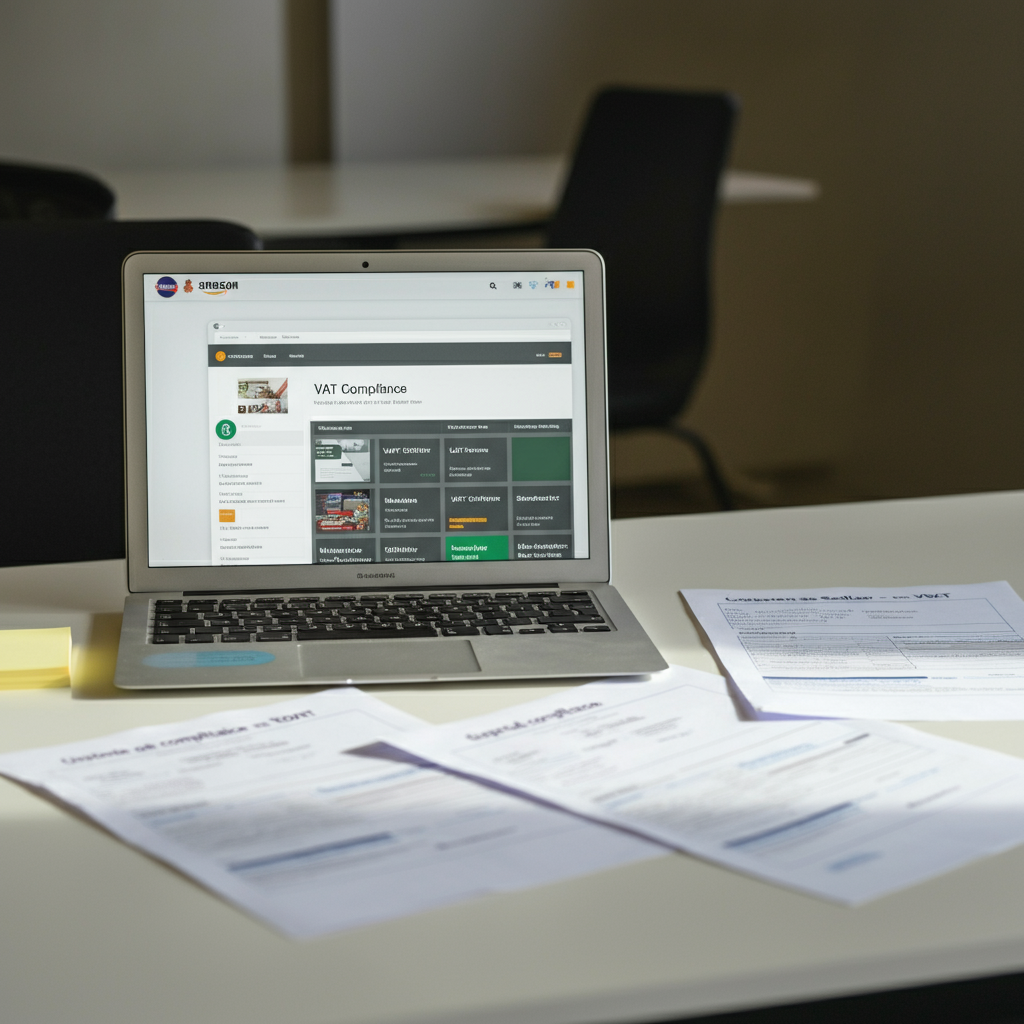
How To Find Someone's Amazon Storefront and verify VAT quickly. Ensure compliant, accurate B2B outreach—follow this guide to validate Amazon sellers today.
How to Find Someone's Amazon Storefront and Verify Vat Before Outreach-interactive
How to find someone's Amazon storefront is a straightforward process. Start by searching their name or brand in Amazon’s search bar, navigate to a product they sell, and click on their seller profile. This method ensures you access accurate seller information for effective B2B outreach.
Why How To Find Someone's Amazon Storefront Matters for B2B Compliance
Understanding Amazon Seller Data
How to find someone's amazon storefront is not just a technical exercise; it underpins the entire process of supplier due diligence for businesses engaging Amazon sellers. Sellers on Amazon can range from sole proprietors to complex organisations, and a storefront acts as a vital digital business card. For B2B professionals, accurate storefront identification enables proper validation of the seller’s trading details, business registration information, and, crucially, VAT status. This due diligence prevents compliance missteps and helps foster trusted procurement channels. Up-to-date storefront data also assists with risk assessment, as inaccurate or incomplete storefront information may be a red flag suggesting potential for tax evasion or unreliable supplier conduct. Moreover, Amazon’s seller dashboard and product listings offer clues — such as the “Sold by” or “Visit the Store” links — but understanding what is official, and what is simply a trading alias, is essential. Using the right approach ensures you do not fall foul of regulatory obligations or procurement best practices. For ongoing B2B relationships, accurate storefront identification may also serve as your first touchpoint for initiating commercial discussions or partnership opportunities. Amazon storefront verification process
How do I find a specific Amazon seller’s store?
To find a specific Amazon seller’s store, enter their name or brand into Amazon’s search bar. Next, navigate to a product they sell and click on their seller profile for more details. This method ensures you access their complete storefront and available offerings.
What’s the fastest way to verify Amazon VAT status?
The fastest way to verify Amazon VAT status is to check the business information listed on the seller's storefront. Often, sellers provide their VAT details within their profile or product listings. This verification is crucial before making B2B purchases to ensure compliance.
Step-by-Step: How To Find Someone's Amazon Storefront
Using Amazon Search and Filters
There are several methods for pinpointing an Amazon seller’s storefront with precision. Begin by searching for a known product sold by the target seller and clicking on the “Sold by” link found beneath the “Add to Basket” button. This typically directs you to the seller's dedicated Amazon storefront page, displaying all products and providing access to their seller profile. Alternatively, you can use the global search bar with the seller’s business name (if known), then select “Shop by Storefronts” from filtering options. Be aware, however, that some sellers use trading names or differ from their VAT-registered entity, making further checks necessary. In select cases, analysing a product’s “Storefront URL” — shown in the browser’s address bar when viewing the storefront — allows you to share or save their direct profile. For more advanced users, seller ID numbers embedded in product listing URLs can be a reliable identifier for cross-referencing within Amazon’s ecosystem. These techniques form the basis for robust B2B seller identification. For further Amazon B2B navigation strategies, see Steps to verify Amazon VAT status.
How do I check if an Amazon seller is VAT registered?
To check if an Amazon seller is VAT registered, look for their VAT number on their seller profile or product pages. You can also use official VAT validation services for confirmation. Verifying their VAT status is essential for ensuring legitimate B2B transactions.
How to contact an Amazon seller for B2B deals?
To contact an Amazon seller for B2B deals, locate their seller profile and click on the 'Contact Seller' option. You can ask questions about bulk orders or negotiate terms directly. This approach fosters clear communication and can lead to favourable business arrangements.
Verifying VAT: Ensuring Seller Legitimacy
Checking VAT Numbers on Amazon
Once you have located a seller’s storefront, verifying their VAT details is an obligatory next step for B2B transactions, especially within the UK and EU. Many sellers will publish their VAT number on their “Legal Information” or “Business Details” section of the storefront. While this is a practical first check, you should never rely solely on self-declared information. Look for matching business names and VAT registration numbers across Amazon’s interface and any invoices received. If there are discrepancies between the seller’s storefront VAT information and government records, avoid proceeding until clarification is obtained. Failure to validate VAT numbers could expose your organisation to significant legal penalties or disrupt your input tax reclaim. Vigilance here is particularly crucial for international sellers, as tax rules and VAT registration thresholds vary across jurisdictions. For more on safe B2B procurement, consider advice from Check UK VAT number authentically.
Which tool can help with Amazon VAT number lookup?
A tool that can help with Amazon VAT number lookup is the official VAT validation services available online. These services verify the VAT status of a seller, enhancing your purchasing decisions. Leveraging such tools ensures compliance and minimises the risk of tax-related issues.
When should I verify business on Amazon?
You should verify a business on Amazon before making any significant purchases or engagements, especially for B2B transactions. This verification helps to ensure the legitimacy and reliability of the seller. Consequently, it minimises risks associated with untrustworthy suppliers.
Cross-Checking VAT with Official Databases
Using UK and EU VAT Validation Tools
To fully confirm the legitimacy of a seller’s VAT status, cross-check the number using public government databases. For UK entities, use HMRC’s VAT number checker to ensure the number is valid, active, and matches the business name provided on the Amazon storefront. In the EU, the VIES (VAT Information Exchange System) enables pan-European validation. Just enter the VAT number displayed on the storefront; if it is legitimate, you will get a confirmation including the associated legal entity. Always print or save validation results for audit purposes. Additionally, review the seller’s “Returns Address” and other business identifiers available on Amazon and compare them with government records. This additional scrutiny can flag shell entities or disreputable businesses using borrowed or invalid VAT numbers. For up-to-date validation procedures, refer to Guidance on finding Amazon sellers.
Best Practices for B2B Amazon Outreach
Ensuring Data Accuracy and Compliance
Outreach initiatives to Amazon sellers for business partnerships or procurement depend on reliable contact and verification procedures. Ensure every point of contact references the validated storefront and cross-checked VAT data. Communication should follow GDPR principles — never request unnecessary data, and always clarify how seller data will be processed. Additionally, document every correspondence linked to verified seller IDs and VAT numbers to ensure an audit trail supporting your own compliance obligations. Establish protocols so procurement teams only engage sellers after internal verification checklists are complete, reducing the risk of fraud or regulatory breaches in large transaction volumes. Training staff on these routines ensures company-wide consistency and greater supply chain resilience.
Common Challenges in Seller Verification
Addressing Data Gaps and Inconsistencies
Seller verification on Amazon can be hindered by incomplete, outdated, or misleading information. Some sellers use multiple storefronts, each branded differently, or do not promptly update VAT registration details when switching business status. Moreover, cross-border sellers sometimes exploit regulatory loopholes to obscure tax compliance. These challenges necessitate a two-fold approach: proactive outreach to sellers requesting updated legal information and systemic monitoring of changes in VAT records. Maintaining a log of validated and pending verification records ensures your business keeps up with changes and can quickly identify high-risk sellers. If errors persist, report suspicious sellers to Amazon via its Report Infringement form or online compliance support.
Tools for Fast Amazon Storefront Identification
Leveraging SaaS Solutions
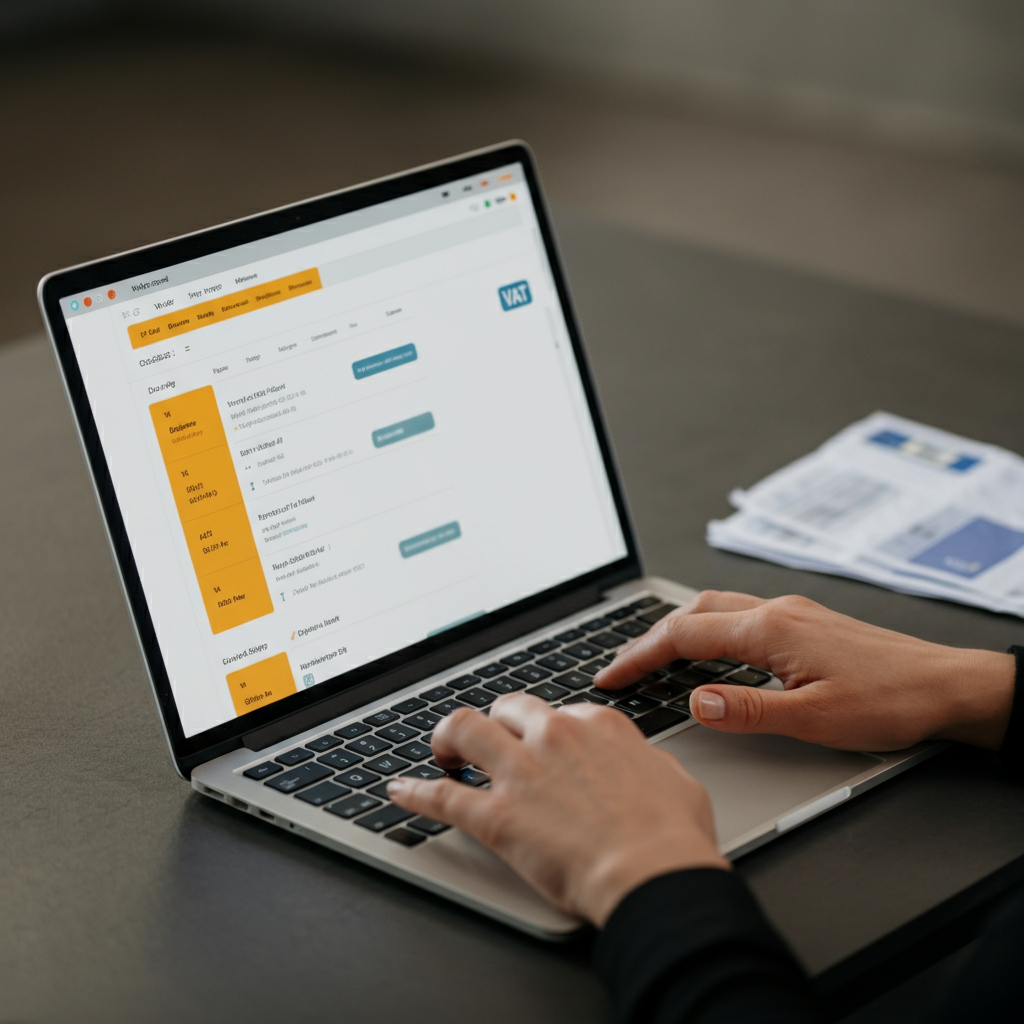
Specialised SaaS tools help streamline the often manual process of finding Amazon storefronts and verifying VAT data at scale. These platforms aggregate seller IDs, storefront URLs, and legal information, integrating real-time VAT validation and data enrichment. Many B2B teams now rely on automated alerts to notify them of changes in a supplier’s compliance status. When selecting a tool, prioritise features such as bulk seller look-ups, direct links to official VAT databases, and integration with CRM systems. These platforms dramatically reduce administrative workload, increase data reliability, and enable teams to focus on core commercial objectives. An illustrative visual for this workflow is included in .
Community Insights: How To Find Someone's Amazon Storefront Experiences
Shared B2B Success Stories
Many procurement specialists and compliance officers have reported significant advantages after adopting robust How To Find Someone's Amazon Storefront practices. For instance, one global distributor identified a fraudulent seller through inconsistent VAT numbers, preventing a potential six-figure loss. Another case involved a UK business investing in SaaS tools to monitor multiple storefronts, enabling the team to adapt quickly when a key supplier changed their trading structure. Community forums frequently feature discussions and best practices for maintaining rigorous checks. These shared insights not only demonstrate the importance of regular storefront and VAT audits but also highlight the value of active peer knowledge exchange across industries.
Legal Considerations for VAT and Outreach
GDPR and Regulatory Compliance
Every stage of locating and verifying a seller’s Amazon storefront must align with UK GDPR and broader EU data privacy requirements. Only collect data strictly necessary for compliance and business needs, and make sure staff are trained in data minimisation principles. When retaining VAT and storefront records, follow retention schedules defined by law, and restrict access to sensitive seller details. Non-compliance can result in heavy fines or business disruption. Therefore, integrating data privacy reviews within your verification processes is not just best practice but a legal imperative as well.
Conclusion: Mastering How To Find Someone's Amazon Storefront and VAT Verification
In today’s digital-first B2B environment, mastering the art of How To Find Someone's Amazon Storefront and verifying VAT is essential for mitigating risk and streamlining supplier engagement. By applying systematic identification methods, rigorous VAT cross-validation, and leveraging modern SaaS tools, businesses can successfully combine compliance with commercial agility. Remaining vigilant to data inconsistencies and evolving regulations will ensure your outreach and procurement operations stay both efficient and fully compliant with applicable laws and standards.
Great guide on How to find someone's Amazon storefront and verify VAT before outreach-interactive — Community Feedback
How do I get reliable Amazon seller data for B2B?
To get reliable Amazon seller data for B2B, begin by learning how to find someone's amazon storefront and verifying their VAT registration. Use trusted databases or professional platforms that provide up-to-date, compliant information to ensure valid B2B outreach.
How do I contact Amazon sellers for business partnerships?
You can contact Amazon sellers for business partnerships by locating their storefront and checking their published business details, including VAT status. Always ensure due diligence, confirm compliance information, and use formal outreach channels for professional engagement.
In This Article
- Always verify an Amazon seller's storefront for official business identification before outreach.
- Cross-check VAT numbers using both Amazon-provided details and official government databases.
- Employ SaaS tools to streamline large-scale seller and VAT verification processes.
- Ensure all outreach and data processes comply with GDPR and B2B data privacy regulations.
- Maintain ongoing monitoring to identify changes in seller status or compliance risk.