
Seven Checks to Run Before Buying an Amazon Seller Database
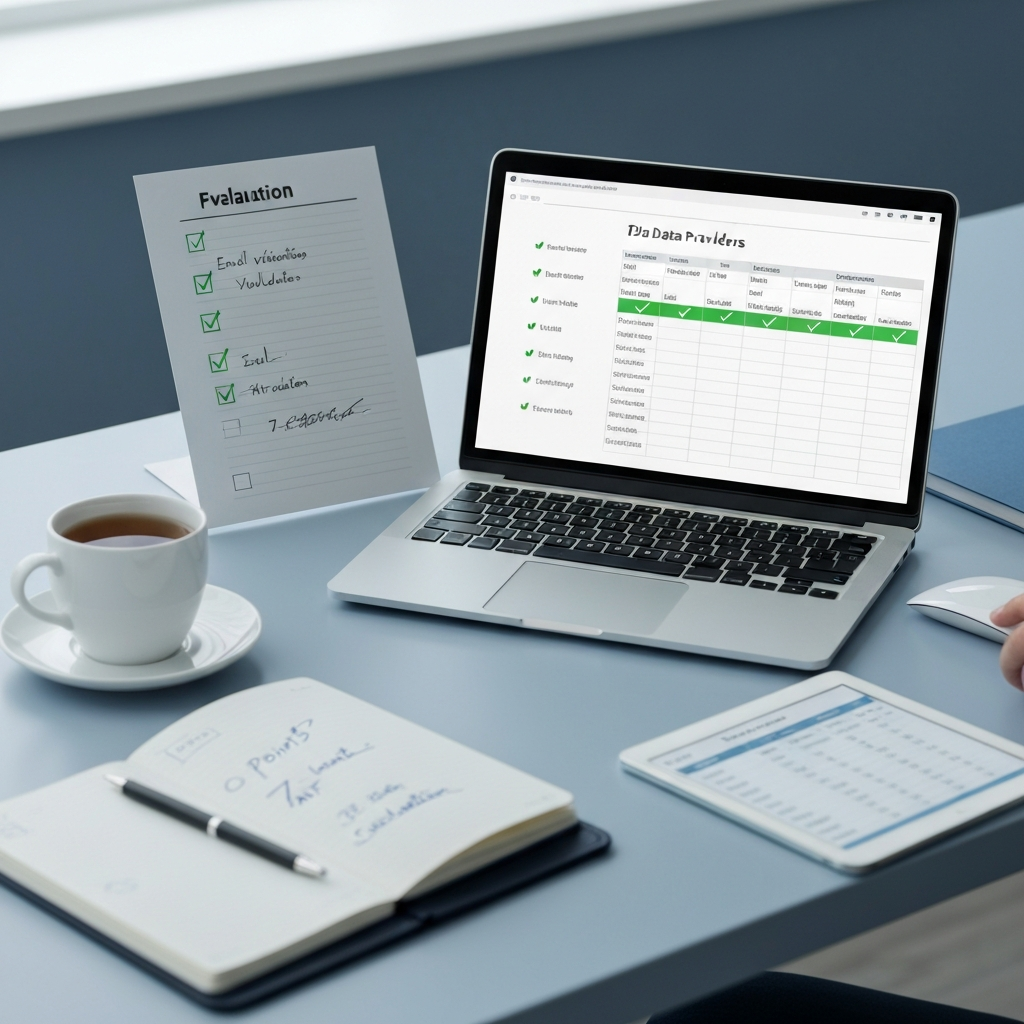
Seven due-diligence checks every B2B buyer should run before paying for an amazon seller database — covering data freshness, field depth, sample validation, GDPR lawful basis, and source methodology.
Seven Checks Every B2B Buyer Should Run Before Paying for an Amazon Seller Database
- Verify the amazon seller database has a documented refresh cycle of 30 days or fewer
- Confirm each record has a verified email, VAT number, and last-seen-active date
- Request a 200-record sample and run it through an independent verification tool before paying
- Check the provider holds a documented UK GDPR lawful basis — legitimate interest or consent, in writing
- Confirm the data is not scraped from Amazon's public storefront, which produces shallow records
- Ask for field completeness stats: percentage of records with VAT number, Companies House ref, and base country
- Establish the provider's dispute resolution process for records proven invalid post-purchase
Check 1: Data Freshness and the Refresh Cycle
A database refreshed quarterly carries an average record age of six weeks — long enough for email addresses to change and VAT registrations to lapse. Any provider who cannot state a specific refresh interval should be treated as suspect.
Amazon seller attrition runs higher than most buyers expect. Roughly 15–20% of active third-party sellers change their primary contact email, restructure their legal entity, or reduce marketplace activity in any 12-month period. A database refreshed annually carries systematic decay no email verification tool can fix — the problem is not a bad email format, it is a business that has changed. Before committing to any amazon seller database supplier, ask three questions: When was the last enrichment pass completed? What triggers a record to be flagged stale and re-verified? Is the refresh schedule contractually guaranteed? Any provider who hedges on the third question signals the cycle is aspirational rather than operational. A 30-day cycle is the recognised benchmark; beyond 60 days produces unacceptable decay for high-volume outreach. See The Sellers Index seller intelligence overview for how refresh frequency maps to pricing tiers.
Check 2: Field Depth and the Minimum Viable Record
Field count in an amazon seller database matters far less than whether those fields are verified rather than inferred. A record with 20 scraped fields is worth less than one with 11 independently verified fields.
The minimum viable record for B2B outreach contains seven verified fields: a business email address, a VAT registration number, a Companies House reference or equivalent corporate identifier, the base country of incorporation, the primary marketplace, the last-seen-active date, and a business name that matches the legal entity rather than the storefront display name. Email-only records fail the moment a team attempts account-based targeting or CRM integration requiring a matched legal entity. For compliance buyers such as EPR or WEEE service providers, the VAT number and corporate reference are non-negotiable — without them, a record cannot confirm whether a seller falls under the relevant regulatory regime. The UK amazon seller database from The Sellers Index includes all seven fields as standard, alongside four additional enrichment layers covering marketplace spread, seller category, and outreach personalisation notes.
Check 3: Sample Validation Before You Pay
Every credible amazon seller database provider should offer a pre-purchase sample of at least 200 records. A provider who refuses or cannot supply a machine-readable export should be disqualified.
The sample must be run through an independent email verification tool — not the provider's own in-house checker — before any purchasing decision. Independent verification catches three problem categories that provider-side checks routinely miss: catch-all domains that accept any email address regardless of validity; role-based addresses such as info@ or sales@ that produce high unsubscribe rates even when technically deliverable; and recently orphaned addresses from sellers who changed entity structure but have not updated their Amazon account. A sample bounce rate above 8% reliably predicts the full database will exceed 15–20% bounce, damaging sender domain reputation within three campaign cycles. Run the sample through NeverBounce, ZeroBounce, or BriteVerify before negotiating price. Review verified Amazon seller leads standards to understand what verified-at-source means in practice, and compare against amazon seller database pricing tiers to calibrate expectations by budget.
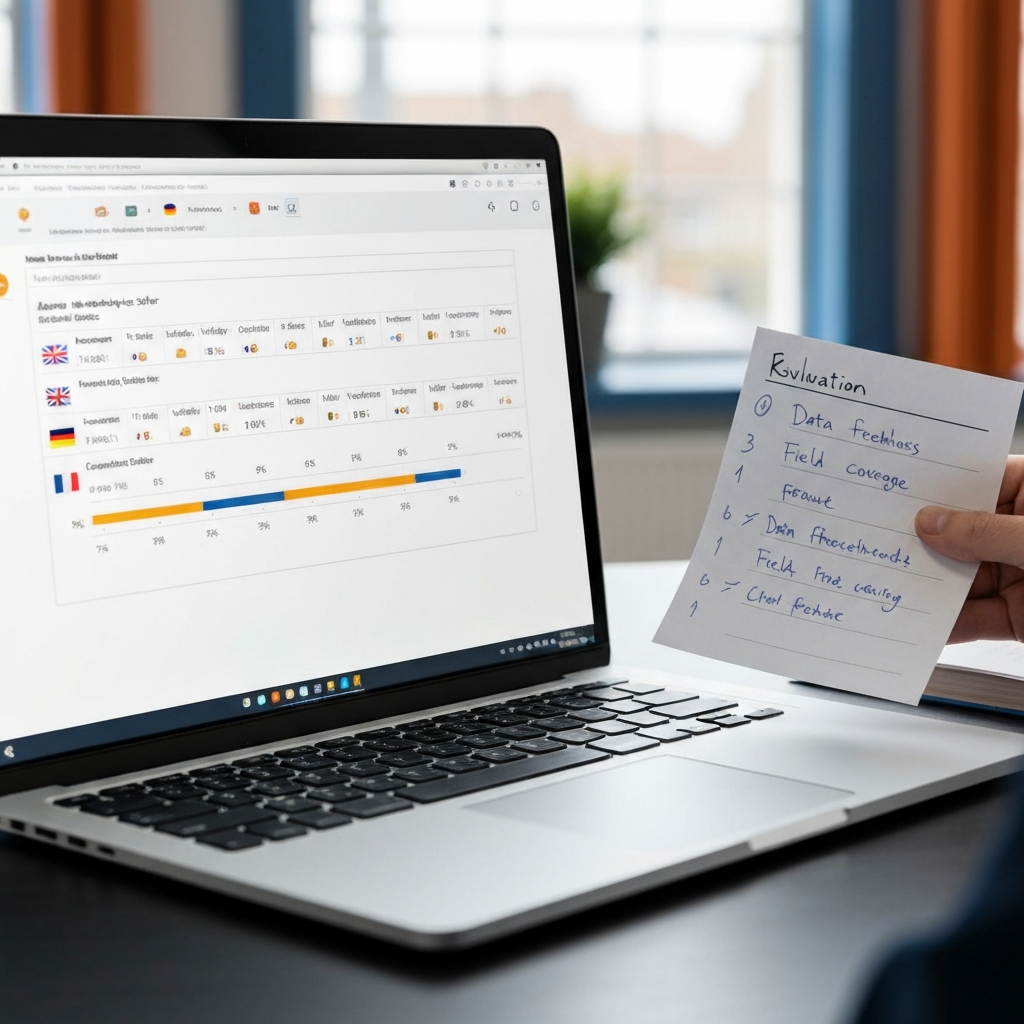
Check 4: GDPR Lawful Basis and Documentation
UK GDPR applies to B2B contact data whenever individuals within seller entities are identifiable — the case for sole traders and most small limited companies. A provider who cannot supply written lawful basis documentation is a liability, not a data vendor.
The two most cited lawful bases for B2B contact databases are legitimate interest and consent. Legitimate interest is the more defensible position for commercial outreach when correctly applied: the provider must have completed a Legitimate Interests Assessment (LIA) documenting their processing purpose, necessity test, and balancing test. Consent-based databases are rare in the amazon seller data segment because collecting documented consent at scale from marketplace sellers is operationally very difficult. The ICO's direct marketing guidance sets out precisely what documentation a compliant B2B data supplier should produce. If the provider cannot supply a copy of their LIA within 48 hours, escalate to your compliance team before any data transfer. Processors without documented lawful basis expose buyers to joint controller liability under UK GDPR Article 26 and to reputational risk if the campaign generates complaints.
Check 5: Source Methodology — Verified versus Scraped
Most lower-cost amazon seller database products are built by scraping Amazon's public seller profiles. This produces shallow records, violates Amazon's Conditions of Use, and yields data that degrades rapidly.
A scraped database typically contains a display name, an approximate product category, a feedback score, and sometimes a country indicator from the publicly visible shipping address — but no verified email address, VAT number, or corporate registry reference, because none of those fields appear in Amazon's public seller interface. Providers who source through Companies House cross-referencing, VAT registry matching, and independent email validation produce materially different records from those built via storefront scrapes. When evaluating a provider ask three questions: What is your primary data source? How do you match a seller's Amazon account to their legal entity? How is the email obtained — independently verified or inferred? A provider who cannot answer the second and third questions is almost certainly working from scraped data. Cross-check any sample VAT numbers against the HMRC VAT registration service to confirm validity before purchase.
Watch the explainer
This Saleshandy video compares five B2B database providers on criteria most relevant to any amazon seller database procurement decision.
It covers field coverage, pricing models, verification methodology, and contract terms.
Frequently asked questions
How many records should a UK amazon seller database contain?
A credible UK amazon seller database should contain at least 50,000 active seller records. The commercially relevant segment — businesses with verified VAT numbers and active trading history — is roughly 180,000 to 200,000 records. Any provider claiming over 500,000 UK-only records almost certainly includes inactive accounts or misclassified international sellers.
What distinguishes an amazon seller database from a basic seller list?
An amazon seller database is a structured, multi-field asset covering legal entity details, VAT numbers, contact information, and marketplace metadata. A basic seller list is a flat CSV with names and email addresses. The database format supports segmentation by country, category, and compliance status — improving precision and reducing wasted outreach spend.
Can I use an amazon seller database for cold email outreach in the UK?
Yes, provided the data carries a documented UK GDPR lawful basis — typically legitimate interest for B2B communications. Cold email is permitted under PECR where the recipient is a corporate entity. For sole traders, consumer-equivalent opt-out rights apply. Always confirm the lawful basis before deploying any database for outreach.
What field completeness rate should a premium amazon seller database achieve?
A premium amazon seller database should deliver at least 90% completeness on verified email, 85% on VAT number, and 95% on base country and last-seen-active date. Completeness below 70% on any core field reduces campaign efficiency and should be reflected in price negotiation. Always request a completeness report before purchase.
How often should an amazon seller database be refreshed for B2B outreach?
For active outreach, the database should be refreshed on a 30-day cycle at maximum. Annual refreshes produce 15–25% data decay — roughly one in five records with invalid contacts or lapsed VAT registrations. Build contractual refresh obligations into any annual licence and confirm the cycle is guaranteed, not advisory.
Get a verified amazon seller database sample
Get 4 verified sellers for free today.