
Automating Compliance in Hybrid Environments
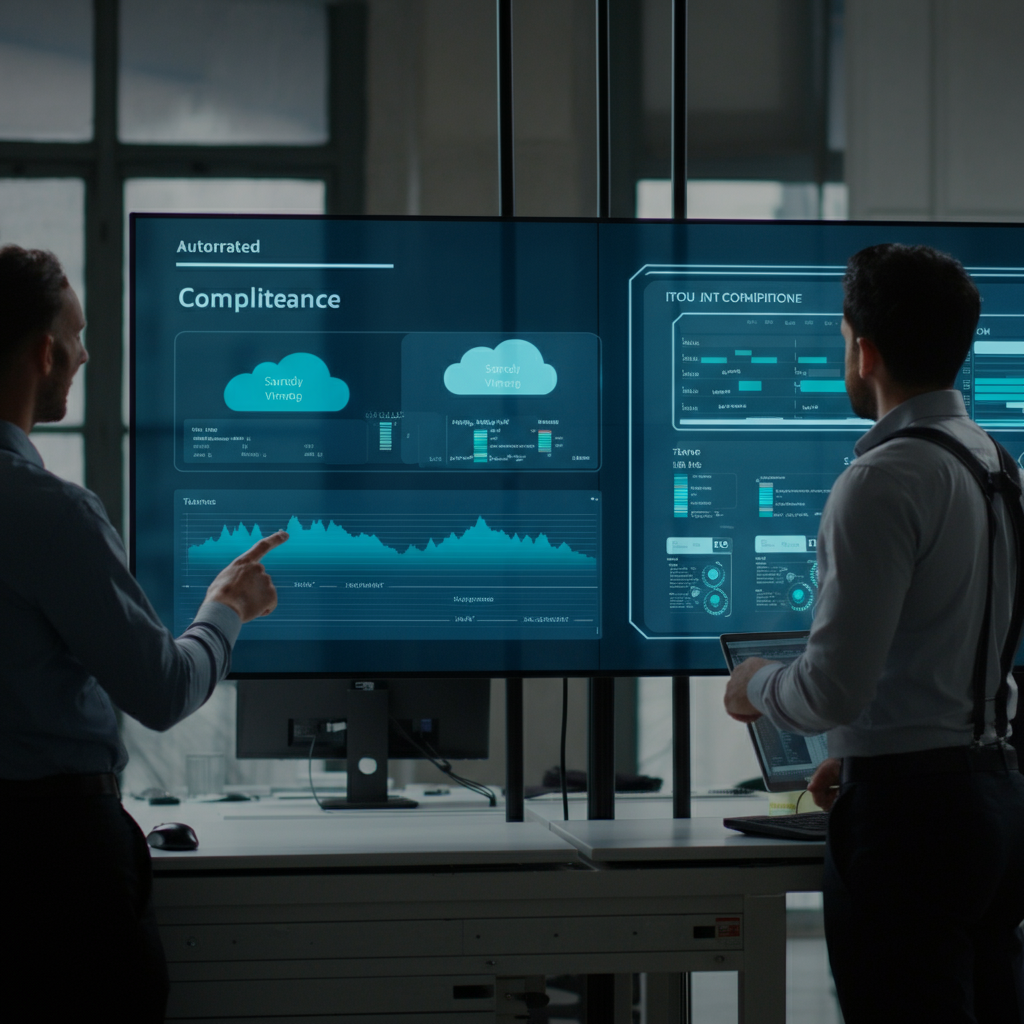
Automating Compliance in Hybrid Environments
What Is Automating Compliance In Hybrid Environments?
Defining Hybrid IT and Compliance Needs
Automating compliance in hybrid environments is the strategic application of technology to ensure consistent regulatory adherence across a blend of on-premises, private cloud, and public cloud systems. In today's digital landscape, organisations rarely operate from a single data centre or cloud provider. Instead, they rely on hybrid environments that combine multiple infrastructures for flexibility, cost efficiency, and resilience. Compliance, which once revolved around traditional audit checklists and manual sign-offs, now demands a dynamic approach. Regulations such as GDPR, PCI DSS, and HIPAA impose strict data governance standards. When IT systems span various locations and deployment models, maintaining oversight becomes complex. Automation addresses this challenge by continuously monitoring, remediating, and reporting on controls without the delays or inconsistencies seen in manual methods. Automation tools can apply policies in real-time, trigger alerts, or initiate corrective actions to ensure standards are met. This shift is no longer optional — it is fundamental for competitive enterprises striving to maintain a robust compliance posture and avoid costly breaches or penalties. hybrid environment data quality best practice Without automation, keeping pace with changes in frameworks or technology stacks is nearly impossible, especially as hybrid environments scale rapidly.
How do you automate compliance for hybrid IT?
You automate compliance for hybrid IT by using policy-as-code and automated tools. These enable consistent enforcement of security and regulatory requirements across both cloud and on-premise systems. Consequently, automating compliance in hybrid environments reduces manual errors and streamlines management processes.
What is policy-as-code for compliance?
Policy-as-code for compliance refers to expressing policies in machine-readable code. This method ensures that compliance requirements are consistently applied across hybrid environments, facilitating easier updates and audits. Therefore, organisations can enhance their compliance posture while minimising the risk of human error.
Why Automating Compliance In Hybrid Environments Matters
Addressing Modern Regulatory Risks
Amidst relentless regulatory change, automating compliance in hybrid environments is paramount. Manual processes often introduce inconsistencies, increasing the risk of non-compliance and operational inefficiencies. Enterprises must align with evolving legal requirements and frameworks, regardless of where workflows reside. Automation bridges the gap by providing real-time control enforcement, ensuring every system—whether in the cloud or on-premises—adheres to the same standards. Consequently, audit cycles are shortened, human error is minimised, and risks of non-compliance are substantially reduced. Automated solutions also produce verifiable audit trails, which become invaluable during assessments or investigations. Furthermore, these tools can integrate seamlessly with existing technology stacks, ensuring minimal disruption during implementation. Organisations operating in highly regulated sectors, such as finance and healthcare, benefit significantly from proven automation strategies. As regulatory bodies escalate scrutiny, NCSC guidance for cloud compliance modern compliance automation ensures you’re always one step ahead.
How can hybrid environments stay compliant?
Hybrid environments can stay compliant by implementing automated compliance tools and adopting policy-as-code strategies. By continuously monitoring for adherence to policies, these solutions provide real-time insights, ensuring organisations meet their regulatory obligations. Consequently, automating compliance in hybrid environments supports ongoing compliance management.
What tools automate hybrid cloud compliance?
Tools that automate hybrid cloud compliance include infrastructure-as-code solutions and management platforms that integrate security, governance, and compliance features. These tools streamline the application of policies across various environments, reducing the complexity of compliance tasks. This way, organisations can maintain compliance more effectively and efficiently.
Common Hybrid IT Compliance Challenges
Managing Policy Enforcement Issues
Hybrid IT introduces a unique set of compliance hurdles. One major challenge is policy drift, occurring when configurations diverge across environments due to inconsistent manual processes. Disparate systems also complicate visibility; teams often lack a unified view of controls, making it difficult to identify vulnerabilities. Fragmented tools and processes further exacerbate risks, as policies deployed in one environment may not translate smoothly to another. Additionally, the pace of change in hybrid systems can outstrip traditional compliance activities, quickly rendering manual checklists obsolete. Unintended exposure of sensitive data, incomplete logs, and delayed response times can all result from these silos. Importantly, hybrid environments attract increased attention from regulators, as data is more likely to traverse borders, triggering complex jurisdictional and privacy requirements. To overcome these issues, automation must be deeply integrated—enforcing policies, monitoring integrity, and providing consistent reporting regardless of platform. effective outreach strategy for compliance Regularly reviewing and updating automation rules is vital to maintaining compliance resilience in this ever-evolving landscape.
Why is automating compliance important in hybrid environments?
Automating compliance in hybrid environments is crucial because it provides consistent policy enforcement across diverse infrastructures. This consistency minimises the risk of errors and enhances operational efficiency in managing compliance requirements. Therefore, organisations can focus on improving their core business activities while remaining compliant.
Which practices support hybrid cloud compliance automation?
Practices supporting hybrid cloud compliance automation include regular audits, policy-as-code implementation, and robust monitoring mechanisms. These practices collaborate to ensure compliance policies are enforced and updated as needed. Consequently, organisations can effectively manage their compliance requirements through effective automation.
Automated Compliance Enforcement Tools
Overview of Policy-as-Code Solutions
Automated compliance enforcement is powered by advanced tools, commonly leveraging Policy-as-Code (PaC) frameworks. These solutions translate governance and compliance requirements into machine-readable code, ensuring accurate, consistent application across the entire hybrid topology. PaC enables rapid detection and remediation of non-compliant states, flagging deviations and deploying pre-approved corrective actions. Leading tools—such as Open Policy Agent, HashiCorp Sentinel, and Chef InSpec—support integration with continuous integration/continuous deployment (CI/CD) pipelines. This approach embeds compliance checks directly into application development and infrastructure provisioning workflows, eliminating silos between security, development, and operations. Additionally, automation platforms offer built-in reporting and dashboard capabilities, simplifying oversight and preparing organisations for audits. Expanding automation coverage to include network configurations, data handling, and identity management further strengthens control. By codifying policies, organisations ensure they are repeatable, scalable, and adaptable to new standards or technologies. ISO 27001 information security standards
Best Practices For Automating Compliance In Hybrid Environments
Steps to Improve Compliance Efficiency
To maximise value, organisations should adopt several best practices when automating compliance in hybrid environments. Firstly, map all regulatory requirements to specific controls and document them using industry-standard frameworks. Next, select automation tools that natively support both cloud and on-premises technologies, ensuring seamless enforcement everywhere. Thirdly, create and maintain a centralised policy repository with version control, enabling precise tracking of policy changes over time. Regularly testing and validating automation workflows is also essential to prevent logic errors or accidental policy overrides. Collaboration between compliance, IT, and development teams ensures policies are practical and aligned to business objectives. Furthermore, investing in staff training and fostering a culture of continuous improvement helps keep pace with evolving security and regulatory landscapes. Scalable monitoring and alerting systems further help teams prioritise responses and focus on critical incidents. Through disciplined planning, execution, and review, automated compliance becomes more resilient, adaptable, and cost-effective over time.

Policy-As-Code In Hybrid Systems
How Policy-As-Code Streamlines Compliance
Implementing Policy-as-Code within hybrid environments streamlines compliance by enforcing governance uniformly at machine speed. With policies written as code, organisations can automate the validation of configurations, user access, data movement, and more. This process minimises human intervention, significantly reducing the risk of error. Additionally, Policy-as-Code enables rapid policy changes in response to regulatory updates, which are then instantly applied across all relevant systems. Automated policy enforcement also supports continuous compliance, where all changes are evaluated before deployment to production. Furthermore, integrated testing ensures that new policies do not introduce operational friction. Policy-as-Code fosters collaboration between teams by documenting governance as source code, which is auditable and version-controlled. This transparency aids auditors and regulators in verifying compliance efforts and aligns IT objectives with organisational governance mandates.
Improving Compliance Efficiency With Automation
Reducing Manual Errors and Audit Fatigue
Automating compliance in hybrid environments directly impacts efficiency by eliminating manual, repetitive tasks that consume significant resources. Automation scripts and tools can reconcile configuration drift, enforce access controls, and maintain up-to-date logs without human intervention. This vastly reduces the likelihood of mistakes, which are common with manual data entry or oversight. Additionally, automation generates real-time dashboards that highlight compliance posture, enabling proactive remediation rather than reactive fire-fighting. Regular, automated compliance checks provide early warning of potential breaches before they escalate, sparing organisations from regulatory penalties. Importantly, automation transforms audits into routine exercises by having continuously updated evidence and audit trails readily available. This not only lightens the audit preparation burden but also builds stakeholder confidence in the integrity of compliance processes.
Hybrid Cloud Security Automation Strategies
Integrating Security and Compliance Controls
The security landscape of hybrid environments requires integrated automation strategies that unify compliance with operational controls. Automation can orchestrate security patching, vulnerability assessments, encryption management, and identity controls across both private and public cloud resources. Leveraging security orchestration, automation, and response (SOAR) tools helps address incidents with speed and accuracy. Furthermore, automated workflows can analyse security events in real-time, cross-referencing them against compliance requirements, and escalate any non-conformance. Integrating security automation with compliance reporting ensures streamlined, unified control oversight. Best practices include establishing baseline security policies, automating their enforcement, and regularly reviewing access permissions. Through this approach, compliance becomes a native attribute of the system rather than an add-on, significantly strengthening your overall risk posture.
Case Studies: Successes In Automating Compliance In Hybrid Environments
Real-World Examples and Outcomes
Several enterprises have successfully navigated the complexities of automating compliance in hybrid environments. For example, a multinational financial institution facing growing GDPR obligations implemented Policy-as-Code tools, achieving a 40% reduction in audit times and greatly improving data governance. Meanwhile, a large healthcare provider combined automation platforms with custom scripts to harmonise HIPAA policy enforcement, resulting in fewer compliance violations and enhanced patient data security. Another notable case involves a technology firm using automation to synchronise configuration standards across AWS, Azure, and their data centre, preventing policy drift and unauthorised changes. These organisations reported improved audit readiness, greater operational transparency, and measurable reductions in compliance costs. These outcomes underscore the tangible value and necessity of automating compliance processes amid escalating regulatory complexity and rapid IT evolution.
Choosing The Right Compliance Automation Solution
Key Features and Vendor Considerations
Selecting an effective compliance automation solution boils down to understanding your hybrid environment's requirements and evaluating a vendor’s capabilities. Prioritise solutions supporting multiple platforms, easy integration with current systems, and extensive library of out-of-the-box compliance frameworks. Look for policy versioning, robust reporting, automation extensibility, and a proven track record in delivering measurable compliance outcomes. Careful scrutiny of vendor support, product roadmaps, and customer success stories is paramount. Additionally, assess the solution’s ability to adapt quickly as regulations and technologies evolve, ensuring future readiness. By conducting rigorous proof-of-concept trials and involving all relevant stakeholders, organisations can make informed decisions that safeguard compliance efforts now and in the long term.
"Automation in hybrid environments transforms compliance from a burdensome obligation into a strategic differentiator, empowering organisations to rapidly adapt without compromising standards."
Conclusion: The Future Of Automating Compliance In Hybrid Environments
Automating compliance in hybrid environments is rapidly advancing from an operational necessity to a competitive imperative. As regulatory demands increase and technology environments become more intricate, automation delivers the scalability, consistency, and security required for sustained success. By deploying the right tools and best practices, organisations position themselves to readily adapt to the next wave of compliance challenges, ensuring both efficiency and peace of mind.
Great guide on Automating Compliance in Hybrid Environments — Community Feedback
How to verify seller compliance status for EU markets?
To verify seller compliance status for EU markets in hybrid environments, use automated compliance tools that integrate with both cloud and on-premise systems. Regularly cross-check regulatory databases and leverage policy-as-code to ensure sellers meet required standards across all IT operational layers.
How can I find verified Amazon seller leads?
You can find verified Amazon seller leads by utilising compliance automation platforms that access enriched business data and automate compliance checks across hybrid environments, ensuring each lead meets industry regulations and commercial standards before outreach.
In This Article
- Automating compliance in hybrid environments standardises regulatory controls across cloud and on-premises systems.
- Policy-as-Code is vital for scalable, auditable, and rapid policy enforcement.
- Automation reduces manual errors, audit fatigue, and compliance costs.
- Integrated security and compliance automation enhances risk management efforts.
- Choosing adaptable solutions future-proofs compliance as regulations evolve.