
How to Find the Seller on Amazon Before Listings Are Suspended 2026-interactive
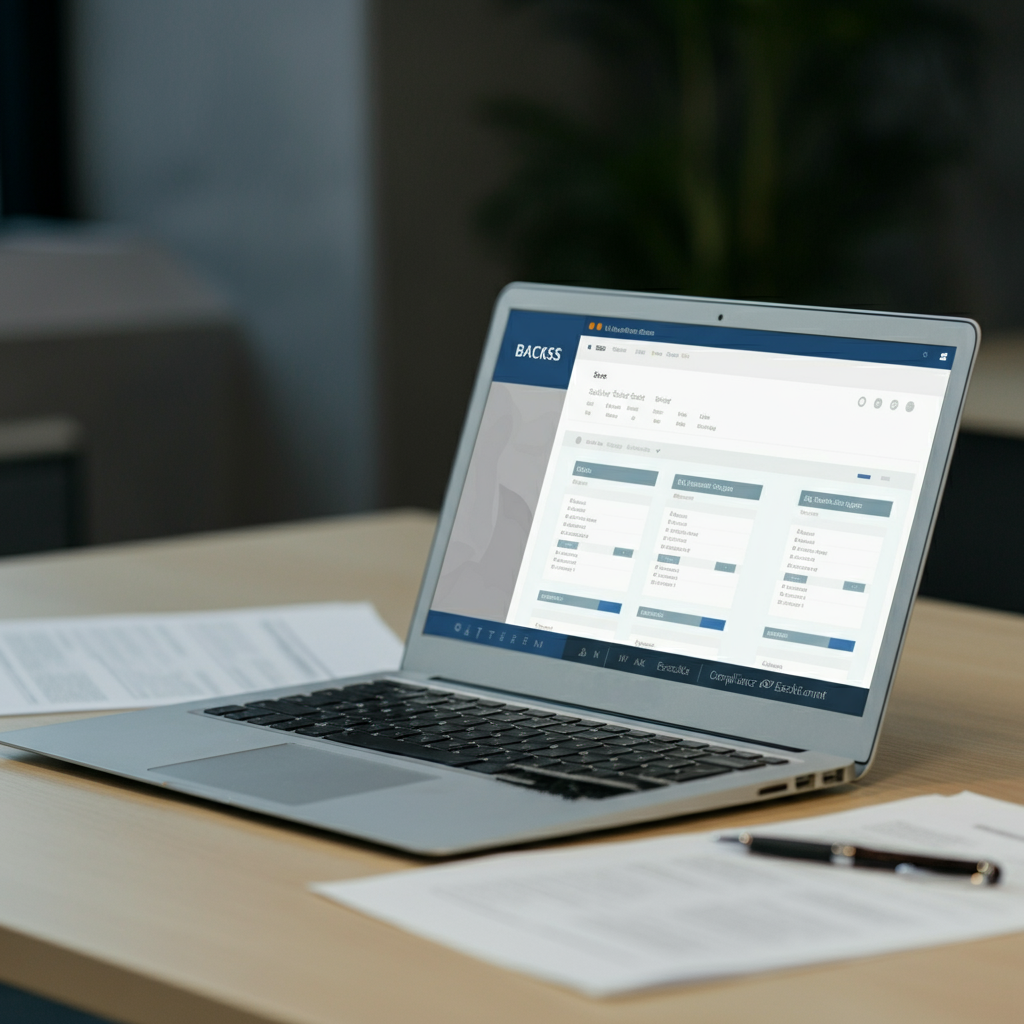
How To Find The Seller On Amazon and avoid listing suspension in 2026. Discover actionable steps and ensure compliance—protect your Amazon business now.
How to Find the Seller on Amazon Before Listings Are Suspended 2026-interactive
How to find the seller on Amazon is essential for proactive communication before listings are suspended in 2026. To locate the seller, visit the product listing, scroll to the 'Sold by' section, and click on the seller’s name for their profile and contact information. This approach ensures compliance with upcoming EU regulations.
Why How To Find The Seller On Amazon Is Essential Before 2026 Suspensions
Understanding the Regulatory Shift
How to find the seller on amazon is a question every serious buyer and vendor should be asking, especially as Amazon UK strengthens its compliance requirements prior to the 2026 listing suspension initiative. Over recent years, Amazon has implemented stricter policies aimed at promoting authenticity, quality, and compliance with both GDPR and evolving EU regulations. Knowing how to identify the actual seller behind a product listing safeguards your business interests before these policy changes fully take effect. Sellers may shift locations, business names, or use new third-party logistics services as Amazon adapts its policies. Therefore, it is more important than ever to verify who you are purchasing from or partnering with. Early compliance and transparency can save you from regrets and costly disputes. Adaptability and awareness in 2024-2025 are not just recommended, they are essential for resilience and continued trading success in the coming years.
How do I find out who sells something on Amazon?
To find the seller on Amazon, visit the product listing and scroll to the 'Sold by' section. By clicking the seller’s name, you will access their profile, which includes their contact information. This helps you communicate proactively and ensures compliance with potential regulations.
What is the best way to reach an Amazon seller before 2026?
The best way to reach an Amazon seller is to click on their name in the 'Sold by' section of the product listing to find their contact details. Engaging directly with the seller allows you to establish a relationship and clarify any concerns prior to upcoming regulatory changes.
Step-By-Step Guide: How To Find The Seller On Amazon
Locating Seller Information on Amazon
To begin your search for seller information, visit the specific product page of interest. On the right side under the “Buy Now” or “Add to Basket” button, look for links such as “Sold by” or “Dispatched from and sold by”. Clicking these links will open the storefront or seller profile, where you can view the seller’s name, rating, business address (for business/commercial sales, as per EU requirements), and additional company information. If the listing is part of the Amazon marketplace (rather than Amazon directly), you will also have the opportunity to send the seller a message or review their returns policies. For more advanced investigation, click into the seller store and scroll to “Business Information” to access company registration details. Staying organised is key, so keep records of sellers you interact with—this proves invaluable should a dispute arise before 2026.
How can I confirm an Amazon seller’s business details in the UK?
You can confirm an Amazon seller’s business details by viewing their seller profile accessible from the 'Sold by' section. This profile often includes their registered business name, VAT number, and contact information. Verifying these details ensures that you are dealing with a legitimate seller.
What steps help prevent Amazon listing suspensions?
To prevent Amazon listing suspensions, maintain accurate and compliant product listings while responding promptly to customer queries. Regularly monitoring your listings and ensuring adherence to Amazon’s policies is crucial. By doing so, you protect your seller account and maintain a good standing on the platform.
Ensuring GDPR & EU Compliance When Finding Sellers
Protecting Buyer and Seller Data
While researching sellers, always observe GDPR rules. The information Amazon presents (business address, registration number, VAT info) is strictly intended for transaction-related use. Storing or processing seller data for marketing or outreach requires explicit consent or a lawful basis under GDPR regulations. If you are collecting seller details for B2B negotiations, maintain a register and offer opt-out mechanisms. Any misuse or illegal storage of personal information—even inadvertently—could lead to significant fines or a suspension of your own business account. Consequently, all businesses should stay informed via channels such as suspend-proof amazon seller lookup and regularly review official guidelines at official UK marketplace regulations resource.
When should I check an Amazon seller’s compliance details?
You should check an Amazon seller’s compliance details before making a purchase, especially for high-value items. This ensures that the seller adheres to Amazon's policies and local regulations. Confirming these details can give you peace of mind and protect your transaction.
Which regulations apply to Amazon sellers in the UK by 2026?
Amazon sellers in the UK must comply with various regulations, including VAT registration and consumer protection laws by 2026. Understanding these requirements ensures that your sales practices align with legal standards. Compliance can enhance your credibility and improve customer trust.
Tools and Resources for How To Find The Seller On Amazon
Trusted Data Sources
There are several trustworthy tools designed to make seller identification both easier and GDPR-compliant. Browser extensions such as Keepa, Helium 10, and SellerApp enable instant access to seller storefront data. Amazon’s own Seller Directory and Business Solutions pages are particularly effective for B2B transactions, as they detail verifiable company information and current trading addresses. For frequent searches, consider integrating these tools into SOPs and staff training. Furthermore, consult the Amazon Transparency initiative or verified vendor lists available through 2026 Amazon compliance strategies for high-volume purchases, and cross-reference license data on EU 2026 Amazon seller requirements update to confirm company legitimacy. Proper tool usage streamlines compliance checks and minimises operational risks.
Preventing Amazon Listing Suspensions in 2026
Proactive Compliance Strategies
Amazon’s 2026 suspension programme is a direct response to increased regulatory scrutiny and consumer demands for greater transparency. To avoid unintentional listing or account suspensions, regularly verify the sellers you purchase from or collaborate with. Maintain documentation of due diligence, including screenshots of seller profiles and correspondence, and schedule periodic audits of your supply chain. By tracking sellers carefully and using the guidance above, you stand a much better chance of navigating regulatory changes with minimal disruption. Sourcing from established, transparent sellers also increases your own credibility with customers and Amazon itself.
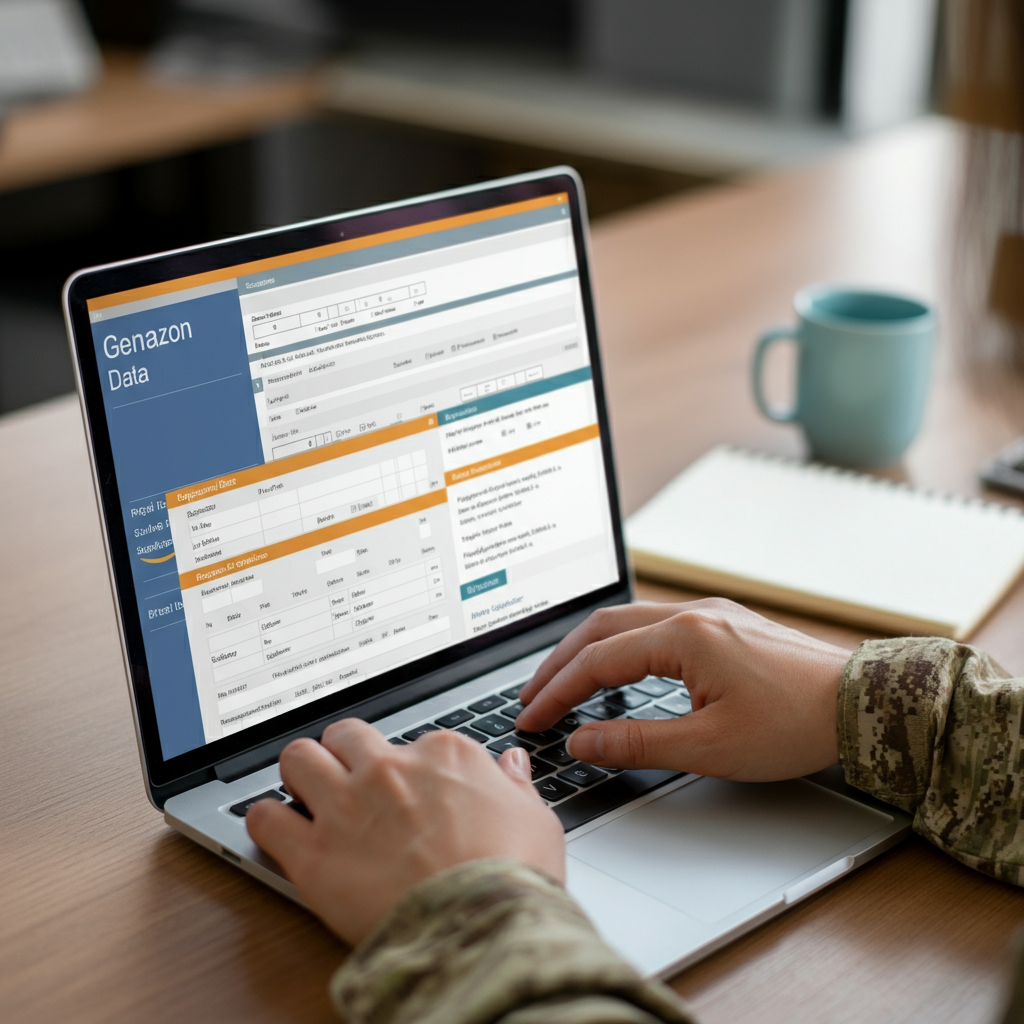
Verifying Seller Details for B2B Outreach
Best Practices for Business Partnerships
When reaching out to sellers for partnerships or bulk transactions, validation is key. Always cross-reference address and registration information through official databases—such as Companies House for UK-based entities. Request additional verification if details appear incomplete or mismatched, and avoid engaging with sellers who lack a physical business address or customer service channel. Respect data sovereignty rules by only using provided business information for agreed-upon purposes. For repeat B2B engagement, establish communication protocols and consider NDAs for sensitive information exchange. Adopting such best practices not only reduces risks but also fosters trust in an increasingly regulated Amazon environment.
Common Mistakes When Searching for Amazon Sellers
How To Avoid GDPR Violations
One common mistake is assuming all seller data on Amazon is available for unrestricted use. While contact information is publicly displayed, using it for unsolicited marketing or reselling data without consent may constitute a GDPR violation. Another issue arises when buyers fail to verify sellers claiming to be manufacturers—always corroborate information using the tools and official resources discussed above. Additionally, some buyers overlook the importance of recording the date and method of contact, which is crucial if legal or compliance questions arise later. By focussing on transparent outreach and legal data handling, you can avoid serious pitfalls.
Community Insights: How To Find The Seller On Amazon
What Industry Experts Recommend
Industry experts stress the need to stay current on Amazon’s evolving policies and transparency initiatives. Many recommend monthly audits of your favourite or frequent sellers, leveraging automation tools and bookmarking established storefronts for reference. Forums, LinkedIn groups, and trade associations can provide updates on reputable sellers and cautionary tales regarding suspicious profiles. Moreover, consult Amazon’s own help centre for any clarifications on policy changes. Sharing knowledge with peers is a powerful risk-mitigation strategy as we approach 2026.
FAQs on How To Find The Seller On Amazon
Your Top Questions Answered
Q1: Can I always see the seller’s full business details?
A1: For business sales, Amazon must legally display registration information, but personal sellers may show less data. Always double-check and contact Amazon support if information appears incomplete.
Q2: Is it legal to contact a seller for wholesale purchases?
A2: Yes, for legitimate business inquiries. However, abide by GDPR if storing their information.
Q3: What if a seller does not respond?
A3: Report unresponsive or suspicious sellers directly to Amazon to escalate your case.
Q4: Are browser tools allowed?
A4: Yes, provided they adhere to Amazon’s policies and do not harvest unauthorised data.
Conclusion: Secure Your Listings With How To Find The Seller On Amazon
Staying proactive about how to find the seller on amazon safeguards your business as regulations tighten towards 2026. By verifying seller credentials, complying with data privacy laws, and using reputable tools, you build resilience against unforeseen suspensions or disputes. Begin now to incorporate these best practices and you will optimise your trading success, minimise risk, and preserve your reputation on Amazon UK—whatever changes the future brings.
Great guide on How to find the seller on Amazon before listings are suspended 2026-interactive — Community Feedback
How do I contact Amazon sellers for business partnerships?
To contact Amazon sellers for business partnerships, use verified data solutions that show how to find the seller on amazon securely. Locate the seller’s contact details (often via their shopfront) and ensure compliance with GDPR and 2026 regulations before outreach.
How do I get reliable Amazon seller data for B2B?
Reliable Amazon seller data for B2B can be secured by using external databases or Amazon’s official seller tools, following strict guidelines on how to find the seller on amazon while maintaining data quality and GDPR compliance.
In This Article
- Start your search on the product listing’s “Sold by” section for verified seller data.
- Use recommended browser extensions and Amazon’s official tools for compliance.
- Always observe GDPR when contacting or storing seller information.
- Regularly audit sellers and maintain documentary evidence for purchases.
- Rely on trusted sources like Companies House for business verification.
- Engage with the Amazon and eCommerce community for new risk alerts and regulatory updates.
- Be aware that new suspension rules take effect in 2026—act now for peace of mind.